
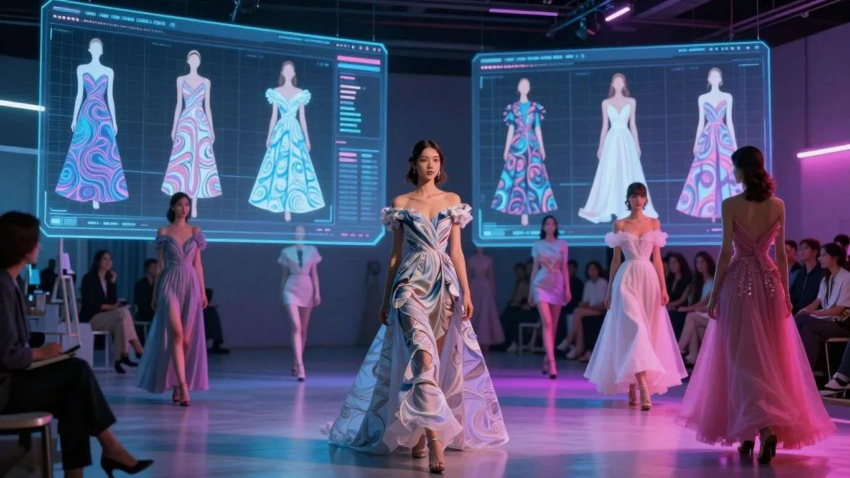
The Application of AI in Fashion Design
Fashion is always a place of imagination, creativity, and self-expression. Over the years, designers depended upon their creative vision, innate intuition, and skill to design designs that reflect the essence of the times. However, today’s fashion has undergone a major change with the advent of artificial intelligence (AI). What AI is used to improve Fashion Design – Discover how AI transforms fashion through trends prediction, virtual try-ons, and smart design tools, and personalised customer experiences.
AI is no longer restricted to areas such as finance, healthcare, or technology. It’s found its way to the glitzy realm of fashion. From forecasting trends for the future to creating clothes and managing supply chains, and creating personalised buying experiences, AI can be seen as influencing each stage of the fashion process. Designers used to take several months or even years to sketch, visualize, and test, but can now accomplish this in just a few minutes with the help of AI-powered tools.
The combination of AI and fashion isn’t about replacing creativity; it’s about improving it. Designers have access to sophisticated software that creates new patterns, tests colors, and recommends eco-friendly fabrics. Fashion brands are employing AI to learn what their customers are looking for, thereby making shopping more personal and efficient. For consumers, virtual try-ons and AI-based suggestions make shopping online for clothes more convenient than ever before.
AI for the fashion industry is also addressing some of the most pressing problems, like sustainability and excessive production. By studying demand and cutting down on the amount of fabric wasted, AI is helping create the future of fashion that is not only fashionable but also sustainable.
In a nutshell, AI is not just altering the way we design clothes; it’s changing the way we design, sell, and perceive fashion. AI is a significant supplier to brands, designers, and customers, helping shape the future of fashion.
Table of Contents
AI in Fashion Design and Creativity
Fashion is about imagination, and AI gives designers new ways to unleash their imagination. In the past, designers used hand sketches or mood boards and experimented with fabric to make their ideas come to life. Today, with the help of AI-enabled design programs, designers can create infinite possibilities with just one or two clicks.
AI tools can analyse millions of design patterns, designs, and color palettes to create new ideas that can inspire designers. For instance, an AI system could suggest new combinations of textures, shapes, and materials that humans might have never thought of. This can speed up the creative process and permits designers to explore without having to waste physical materials.
Personalized Shopping Experience
Have you noticed that shopping apps suggest clothes that fit your personal style? This is AI working. Through learning about your preferences, size, shape, and background, AI gives personalized recommendations. This makes shopping online more enjoyable and allows customers to find outfits that fit them perfectly.
Predicting Trends in Fashion using AI
One of the most challenging issues for the industry of fashion industry is figuring out what consumers will be looking for the next season. Fashion trends are influenced by many factors–celebrities, social media, cultural events, and even global issues. In the past, brands and designers relied on fashion magazines, shows, and intuition to determine future trends. Today, AI makes this process more precise and smarter.
AI trend-forecasting software can examine huge amounts of information from various sources such as Instagram postsikTok videos, online searches for shopping, and even street style images. Through studying trends in the things people are sharing, liking and sharing, as well as purchasing, AI can predict which colors, patterns, and fabrics are becoming popular.
For instance, if AI observes that jackets with oversized sizes are more frequently searched for or that influencers are posting on pastel shades, it will warn companies that these trends could take over the upcoming season. This can help fashion brands create collections that meet the needs of their customers, which reduces the risk of stocks that are not sold.
AI can also track micro-trends–short-term fashion crazes that appear and fade quickly–helping brands stay relevant in fast-moving markets. In addition, AI assists in identifying the long-term shifts in lifestyles, like the rising popularity of eco-friendly and comfortable clothes, allowing brands to adjust their strategies.
Sustainable Fashion through AI
Sustainability has been one of the most important issues within the world of fashion, and AI is playing an important part in making fashion more sustainable. The traditional fashion system is typically battling with excessive production, as well as fabric waste and unsustainable materials. AI aids in tackling these issues by implementing smarter, more informed decisions throughout the entire process of fashion production and design.
Reducing Fabric Waste
AI-powered design software is able to create precise cutting templates that cut down on scraps left over. Digitally simulating cutting processes, design professionals are able to determine exactly how much fabric is going to be utilized and eliminate the amount of waste before production begins.
Intelligent Inventory Management
One of the most significant reasons for fashion waste is the unsold inventory. AI assists brands in predicting demand more precisely by studying buying habits, sales in past sales,salesand trends in market trends. This means that businesses produce only the items that customers are most likely to purchase, thus reducing surplus stock.
The choice of eco-friendly materials
AI systems can recommend sustainable fabrics through the analysis of databases of options for textiles. Designers can evaluate the environmental impacts of various types of materials, like bamboo, organic cotton, or recycled polyester, and come up with better choices for their collections.
AI in Fashion Marketing
Marketing plays a major part in the performance of any fashion compcompanynd AI has revolutionized how brands communicate with their consumers. Instead of relying on one-size-fits-all marketing strategies, fashion brands are now using AI to design individualized and data-driven marketing strategies that can engage their customers more effectively.
Social Media Insights
Social media is at the center of modern-day fashion marketing. AI tools track the number of likes and shares, hashtags, and other posts of influencers to know what’s popular. Brands can make use of this data to create relevant campaigns and stay connected with the most recent fashion discussions.
Smarter Advertising
AI assists brands in running smarter advertising campaigns by predicting the colors, images, and messages that will be most effective. AI can also identify the ideal people to target with each ad to ensure that marketing budgets are used effectively.
Influencer & Trend Matching
AI is able to determine the influencers that match the style of a brand and its target audience. Influencer collaborations are more efficient, since brands are able to connect with the most relevant celebrities to promote their brands.
The Future of AI in Fashion Design
The future looks exciting due to AI as a fashion designer. Soon, we could be seeing AI creating complete collections as well as virtual fashion shows and completely customized clothes for each person. Although AI is incredibly powerful but it’s best when paired with human imagination, as fashion isn’t just about data, it’s about emotion and self-expression.
Conclusion
AI for fashion isn’t just an idea. It’s a fact. In everything from trend prediction to sustainability, AI is helping fashion evolve to become more innovative, intelligent, and a great customer. As technology continues to advance, fashion designers who adopt AIcano develop quickly and remain ahead of the field.