The Science of Clean: How Frequent Housekeeping Improves Indoor Air Quality
Introduction
The air quality in your home directly affects your overall health and well-being. Dust pollution, allergens, and pollutants can build up over time, impacting breathing health and general well-being. Although regular cleaning of the house may appear to be a routine chore, it plays an essential role in ensuring a healthy indoor atmosphere.
This article focuses on the relationship between home cleaning services and better air quality, describing how regular routines of cleaning fight pollutants and allergens. With the aid of professional cleaning companies like Sapphire Home Cleaning, homeowners can enjoy a cleaner, fresher living space with little effort.
Understanding Indoor Air Quality
Quality of air inside (IAQ) is the term used to describe the quality and cleanliness of the air in the building. Insufficient IAQ is usually caused by the accumulation of allergens, pollutants, and moisture.
Common Indoor Pollutants
- Dust Mites and other dust mites: Dust particles build up on surfaces, and they harbor micro dust mites. Allergens like these can trigger asthma, allergies, and respiratory problems in other ways.
- Pet Dander: Skin flakes, hair, and saliva of pets can contribute to the airborne allergens. Regular grooming and vacuuming help to reduce the effect of these activities.
- Mold and Mildew: Bathrooms, kitchens, and basements encourage the development of mildew and mold. The spores of mold can irritate the lung tissues and trigger allergies.
- Volatile Organic Compounds (VOCs): They are found in paints, cleaning supplies, and furniture. VOCs emit toxic gases that reduce the air quality.
The role of regular house Cleaning
Regular cleaning helps to address the causes of indoor air pollutants, stopping their accumulation and expansion.
Dust Removal
- Dust is the major carrier of allergens and irritants.
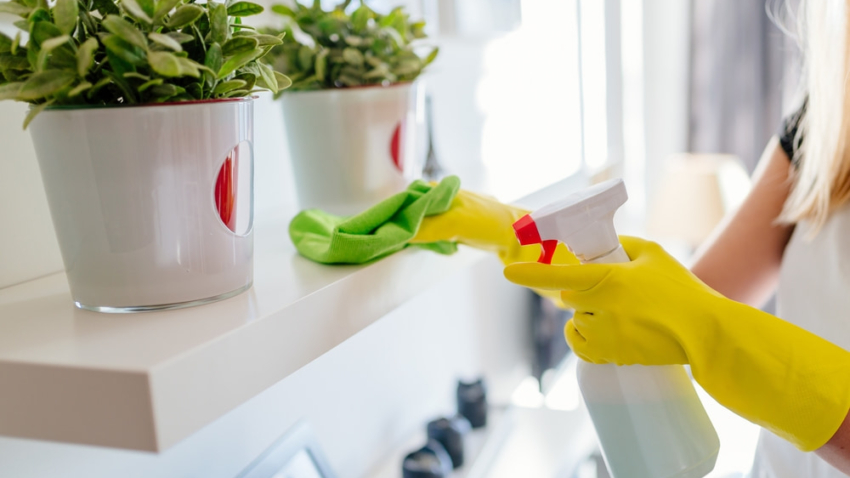
- Best Tips: Use microfiber towels to catch dust rather than spreading it throughout the air.
Carpet Cleaning and Vacuuming
- Important: Carpets and rugs collect pet dander, dirt, and pollen.
- Best Practices: Vacuum regularly by using a vacuum equipped with an HEPA filter that captures small particles.
Surface Sanitization
- Importance: Highly-touched areas such as tables and countertops can collect dirt and bacteria.
- Best Practices: Choose natural and non-toxic cleaning products to limit VOC emissions.
What is the Science Behind Deep Cleaning
While normal cleaning addresses dirt that is surface-level, deep cleaning focuses on the hidden contaminants that deteriorate the quality of the air.
Important Areas to Clean
- HVAC Systems: Clean your air ducts and change filters frequently to avoid the recirculation and spread of mold and dust spores.
- Drapes and upholstery: Furniture and drapes made from fabric hold dust and allergens, which require periodic steam cleaning.
- Baseboards and Vents: Sometimes overlooked, these places are prone to collecting large amounts of dust over the course of time.
How can professionals help?
- Deep cleaning services utilize industrial-grade equipment to remove the particles that normal cleaning doesn’t catch.
- Companies such as Sapphire Home Cleaning offer tailored deep-cleaning solutions to tackle specific problems, while ensuring better indoor air quality.
Prevention of Common Air Quality Issues
Making proactive changes can help reduce the amount of allergens and pollutants within your home.
Ventilation
- Why it is Important: A good ventilation system reduces indoor air pollution and allows for fresh air.
- What can you do to improve: Open windows frequently or make use of air purifiers to ensure the flow of air.
Moisture Control
- Why it matters: High levels of humidity encourage the growth of mold.
- How to Improve: Utilize dehumidifiers for humid places like bathrooms or basements.
Avoiding Harsh Chemicals
- What is the significance? A lot of cleaning products release VOCs, which degrade the quality of the air.
- What to do: Look for green alternatives using natural ingredients.
Integrating Professional Cleaning Services
Professional cleaning services provide expertise and tools that improve the quality of the air above what DIY techniques can do.
Benefits of Professional Assistance
- Thorough cleaning: Professionals pay attention to areas that are often overlooked when cleaning routinely, like the ceiling and vents.
- Advanced Equipment: HEPA vacuums as well as steamers can remove allergens with greater efficiency than conventional equipment.
- The Time-Effective: Expert services can save homeowners time while also delivering consistently good results.
The most trusted providers, such as Sapphire Home Cleaning, ensure your home is clea,n and your air remains fresh thanks to their extensive house-cleaning services.
Setting up a Cleaning Routine
Making a routine for cleaning can help maintain the quality of the air all year long.
Daily Work
- Clean up surfaces that are frequently touched, like doorknobs, counters, and light switches.
- Clean or vacuum areas with high traffic to eliminate dirt and dust.
Weekly Work
- Rugs, carpets, and furniture by using furniture and carpets using a HEPA filter.
- Dusty surfaces, such as picture frames, shelves, and even electronics.
Seasonal Work
- Clean and deep-clean HVAC systems, then change filters.
- Clean or dry-clean pillows, curtains, and bedding to eliminate allergens.
The Environmental Impact of Eco-Friendly Cleaning
Green cleaning practices help reduce the impact on the environment while preserving the quality of the air.
The benefits of Green Cleaning
- Lower VOCs: Nature-based ingredients help to reduce dangerous chemical emissions.
- Safer for all types of allergies: Non-toxic solutions are gentle on respiratory systems.
- Green Practices: Sustainable products and products help reduce consumption.
Green Cleaning Tips
- Make homemade cleaners from baking soda, vinegar, and lemon.
- Choose biodegradable cleaning cloths and mop pads that are reusable.
Monitoring and improving the quality of Air Quality
Even with a routine of cleaning, monitoring the quality of air helps to ensure that you are in good condition.
Tools to monitor
- Monitoring of Air Quality: Monitor pollution levels, humidity levels, and temperatures.
- HEPA Air Purifiers: Capture airborne particles, improving overall air quality.
Quick Fixes for Instant Improvement
- Include indoor plants such as peace lilies and spider plants that naturally purify the air.
- Close windows and doors during the high-pollen season to limit allergens.
Conclusion
A regular cleaning of the house is an effective method of improving the quality of indoor air and creating a healthier living space. By taking care of dust, allergens, and other pollutants with regular cleaning and professional help, homeowners can breathe more easily and have a more relaxing living space.
If you’re looking for reliable help, Sapphire Home Cleaning offers professional house cleaning services that focus on the cleanliness of your home and the health of your family. Clean homes aren’t just about aesthetics, but also ensuring that your air is clean and free of harmful particles.